


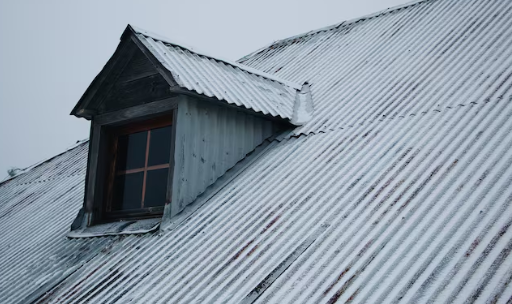
Your home’s roof is its ultimate shield against the elements, protecting your family and belongings from rain, wind, sun, and snow. Yet, because roof surfaces are out of sight, they are often pushed out of mind until a major leak or expensive structural damage occurs.
Neglecting routine roof maintenance can drastically shorten the lifespan of your shingles and lead to costly interior repairs.
Taking a proactive approach to roof care ensures the longevity and structural integrity of your entire house. This article outlines essential tips and maintenance practices to help you properly care for your residential roof.
Addressing Minor Issues Early Through Timely and Professional Roof Repair
Even the most durable roofs will eventually experience minor wear and tear, loose shingles, or small vulnerabilities caused by severe weather storms. Waiting until a minor drip turns into a major ceiling leak is a recipe for expensive property damage and mold growth.
Scheduling periodic professional inspections allows experts to identify cracked flashing, damaged boots, or missing shingles before they escalate. Promptly executing necessary roof repair ensures that small, manageable problems do not transform into catastrophic structural failures that threaten your home.
Protecting Gutters and Preventing Ice Dams with a Strategic Roof Snow Guard
In regions that experience heavy winter weather, the accumulation and sliding of packed snow present unique safety and structural hazards to your property.
Installing an effective roof snow guard system helps break up sheets of accumulating snow and ice, preventing dangerous avalanches from crashing onto walkways or tearing away gutter systems.
Managing winter precipitation effectively also minimizes the risk of ice dams forming along the eaves, protecting your attic insulation and roof decking from destructive water backup during freeze-thaw cycles.
Maintaining Clean Gutters and Downspouts for Proper Drainage
Your roof’s drainage system plays a vital role in directing rainwater safely away from your home’s foundation and siding walls. When gutters become clogged with falling leaves, twigs, and granules, water spills over the edges and pools against your house, leading to basement leaks and foundational erosion.
Cleaning your gutters at least twice a year—specifically during the spring and autumn months—ensures that water flows freely toward downspouts. Clear drainage protects your roof edges from wood rot and extends the overall health of your roofing materials.
Controlling Organic Growth and Preventing Moss and Algae Accumulation
Moisture, shade, and organic debris create an ideal environment for moss, lichen, and algae to take root on your residential roof shingles. Over time, moss lifts shingle edges and retains moisture against the roof surface, accelerating material decay and granule loss.
Regularly clearing organic debris with a soft-bristled brush and treating vulnerable shaded areas with specialized, roof-safe cleaning solutions prevents unwanted growth. Keeping your roof clean and dry preserves its aesthetic appeal and prevents premature structural degradation.
Trimming Overhanging Tree Branches to Protect Against Storm Damage
Large, mature trees surrounding a home offer wonderful shade and curb appeal, but they can also pose a serious threat to your roof during windy storms.
Low-hanging branches scrape against shingles, stripping away protective granules with every gust of wind, while falling limbs can puncture your roof deck entirely.
Hiring professional arborists to trim back branches that hang within close proximity of your roofline minimizes physical friction, reduces leaf litter accumulation, and protects your home from severe impact damage during heavy weather events.