


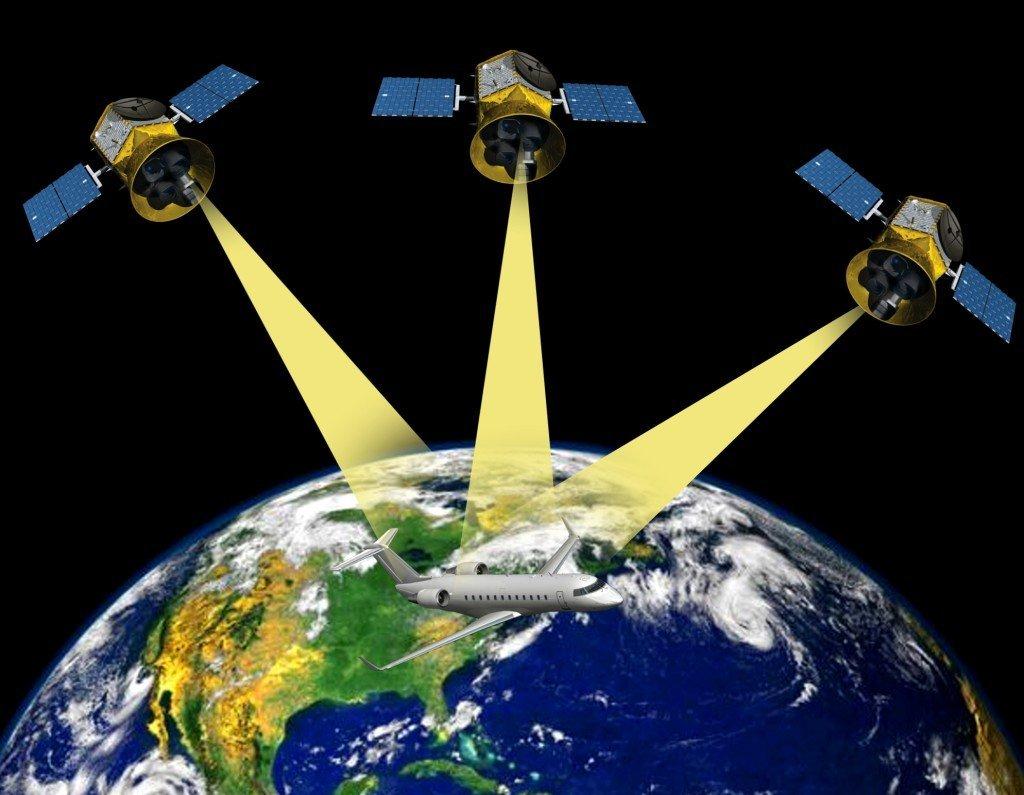
The future of urban development is deeply intertwined with advanced technologies that aim to improve efficiency, sustainability, and the overall quality of life for residents. Among these technologies, Global Navigation Satellite System (GNSS) positioning systems and Internet of Things (IoT) are proving to be transformative. When integrated, these systems open up a world of possibilities for smarter cities, driving improvements in urban planning, transportation, infrastructure management, and public safety.
In this article, we explore how integrating gnss positioning system with IoT can create smarter, more efficient cities.
The Role of GNSS Positioning Systems
GNSS is a satellite-based system that provides accurate positioning data anywhere on the globe. GNSS positioning systems, such as GPS, GLONASS, Galileo, and BeiDou, are essential in providing precise location data. This is crucial for a wide range of applications, including navigation, asset tracking, and geospatial mapping. In the context of smart cities, GNSS plays a pivotal role in facilitating real-time data collection and decision-making.
Key Benefits of GNSS Positioning
- High Accuracy: GNSS systems provide precise location information, which is critical for smart city applications like autonomous vehicles and smart infrastructure.
- Global Reach: GNSS operates globally, making it suitable for cities of all sizes and locations.
- Real-Time Data: GNSS provides real-time data, enabling more effective monitoring and management of city systems.
The Power of IoT in Smart Cities
The Internet of Things (IoT) refers to a network of interconnected devices that communicate and share data. In smart cities, IoT technologies are used to monitor and manage urban infrastructure, transportation systems, utilities, and public services. IoT devices include sensors, cameras, smart meters, and other data-gathering devices that create an ecosystem of real-time information. By connecting physical assets to digital platforms, IoT enables better decision-making and automation.
How IoT Enhances Urban Life
- Traffic Management: IoT sensors in traffic lights and road infrastructure help optimize traffic flow, reduce congestion, and improve public transport systems.
- Energy Efficiency: IoT-enabled smart grids monitor and optimize electricity distribution, leading to reduced energy waste and cost savings.
- Public Safety: IoT-powered surveillance systems can enhance public safety by providing real-time monitoring and automatic alerts to law enforcement.
Synergy Between GNSS and IoT for Smarter Cities
The integration of GNSS positioning systems with IoT allows for a seamless connection between location data and intelligent urban systems. When these technologies work together, they unlock powerful new capabilities for smart cities. Let’s look at how this synergy can transform urban living.
1. Smart Transportation Systems
One of the most significant areas where GNSS and IoT integration shines is in smart transportation. By combining GNSS location data with IoT sensors, cities can enable real-time tracking of public transportation, including buses, trains, and even bicycles. This information can be shared with commuters via mobile apps, helping them plan routes, reduce waiting times, and avoid traffic congestion.
Moreover, autonomous vehicles can leverage GNSS positioning systems for navigation, while IoT sensors in vehicles can monitor performance and communicate maintenance needs in real time.
2. Precision in Urban Planning
Urban planning relies heavily on accurate data to design sustainable and efficient cities. Integrating GNSS positioning systems with IoT data enables urban planners to map and monitor infrastructure such as roads, buildings, utilities, and public spaces with pinpoint accuracy. This integration helps optimize resource allocation, ensuring that new developments are built in the most suitable locations.
3. Improved Disaster Response and Management
In emergencies such as floods, fires, or earthquakes, having real-time, precise location data is crucial for effective disaster response. GNSS and IoT integration can provide real-time data on the status of affected areas, helping first responders to prioritize efforts and resources. Drones equipped with GNSS receivers and IoT sensors can assess damage, track displaced populations, and even deliver essential supplies.
Challenges in Integration
While the benefits of integrating GNSS positioning systems with IoT are evident, there are challenges that must be addressed for successful implementation:
- Data Security and Privacy: The vast amounts of location and sensor data generated by GNSS and IoT systems must be securely transmitted and stored to protect citizens’ privacy.
- Interoperability: Ensuring that GNSS systems and IoT devices from different manufacturers can work seamlessly together is a significant challenge.
- Infrastructure and Costs: Implementing GNSS and IoT systems in existing cities requires substantial investment in infrastructure, which can be a barrier for many municipalities.
The Future of GNSS and IoT in Smart Cities
As technology continues to evolve, the integration of GNSS positioning systems with IoT will only become more sophisticated. Emerging technologies like 5G networks and advanced satellite systems will further enhance the capabilities of these systems, allowing for even more granular and accurate data collection. Smart cities will become more interconnected, efficient, and responsive, creating a better quality of life for their inhabitants.
Conclusion
Integrating GNSS positioning systems with IoT is a game-changer for building smarter cities. By combining precise location data with the power of IoT sensors, urban areas can become more efficient, sustainable, and responsive to the needs of their residents. However, to unlock the full potential of these technologies, cities must overcome challenges related to security, interoperability, and infrastructure. As these obstacles are addressed, the future of smarter cities looks brighter than ever.
