


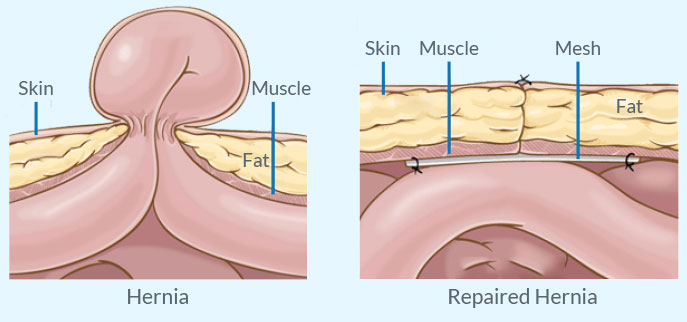
Hernias are a common medical condition where an organ or tissue pushes through a weak spot in the abdominal wall. They can cause discomfort, pain, and in severe cases, complications. Surgery is often considered the standard treatment for hernias. However, many people wonder if hernia treatment without surgery is possible. This article explores the alternatives, their effectiveness, and important considerations.
Understanding Hernias
Before discussing treatment options, it’s crucial to understand what a hernia is. Common types of hernias include:
- Inguinal hernia: Occurs in the groin area, more common in men.
- Hiatal hernia: Occurs when part of the stomach pushes through the diaphragm.
- Umbilical hernia: Appears near the belly button.
- Incisional hernia: Develops at the site of a previous surgical incision.
Symptoms can range from mild discomfort to severe pain, especially when coughing, bending, or lifting heavy objects.
Can Hernias Heal Without Surgery?
The question on many patients’ minds is: can hernia treatment without surgery be effective? While hernias do not generally heal on their own, some non-surgical approaches can help manage symptoms and prevent complications.
Lifestyle Modifications
- Dietary changes: Eating smaller meals and avoiding heavy lifting can reduce discomfort, especially in cases of hiatal hernias.
- Weight management: Maintaining a healthy weight reduces pressure on the abdominal wall.
- Avoiding strain: Limiting activities that increase abdominal pressure can help prevent worsening.
Use of Supportive Devices
Trusses or hernia belts can provide temporary relief by keeping the hernia in place. These devices do not cure the hernia but may help manage symptoms in patients who are not candidates for surgery.
Medications
For certain types of hernias, especially hiatal hernias, medications like antacids or proton pump inhibitors can help manage associated symptoms such as acid reflux and heartburn.
Risks of Avoiding Surgery
While non-surgical methods can relieve discomfort, it’s important to understand that hernias may worsen over time. Potential complications include:
- Incarceration: When the hernia gets trapped and cannot be pushed back in.
- Strangulation: When blood flow to the herniated tissue is cut off, which is a medical emergency.
Therefore, while hernia treatment without surgery may be feasible in some cases, it is often a temporary solution rather than a permanent cure.
When to Consider Surgery
Surgery remains the definitive treatment for most hernias, especially if:
- The hernia is painful or enlarging.
- Non-surgical measures fail to relieve symptoms.
- There is a risk of serious complications like strangulation.
Modern surgical techniques, including minimally invasive laparoscopic surgery, have made recovery faster and safer for patients.
Conclusion
While there are ways to manage hernia symptoms and reduce discomfort, hernia treatment without surgery is usually limited to temporary relief rather than a cure. Lifestyle changes, supportive devices, and medications can help in the short term, but surgery remains the most reliable option for long-term treatment. Individuals with hernias should consult a healthcare professional to determine the best approach based on the type and severity of their condition.
