


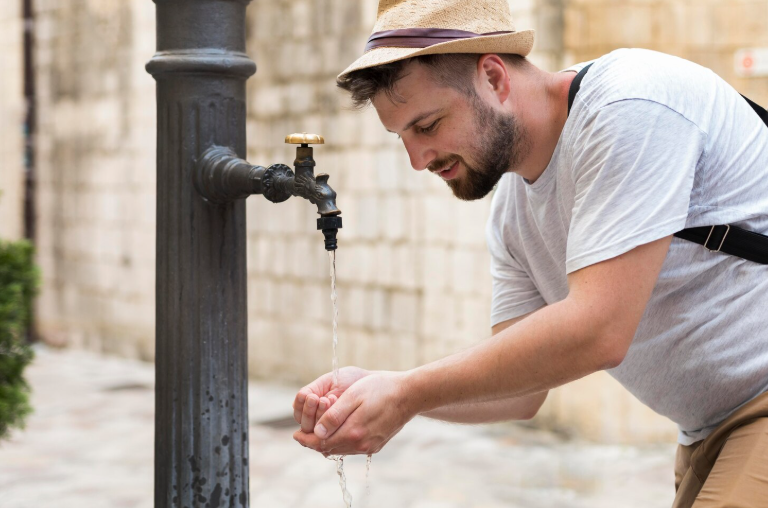
Water is essential for normal daily functioning. When water supply gets interrupted for some reason, our whole life is shackled. Homeowners opt for waterdrilling to have access to a reliable, sustainable, and cost-effective source of water so they can use water freely for drinking, washing, and cleaning purposes. Water drilling can also be very cost-effective on an industrial scale, as it is independent supply of water and you won’t have to think about large utility bills.
With all these benefits, water drilling also comes with certain challenges. Let’s discuss these challenges and how one can tackle them.
Minerals and Hard Water Presence
Underground water typically contains a higher concentration of dissolved minerals, such as calcium and magnesium. When water has a high level of these minerals, it is called hard water. Well drilling often provides access to hard water. Hard water is generally not considered ideal for daily use. As it can cause buildup in pipelines, leave spots on dishes, clothes feel untidy and worn out, skin and hair become dry and brittle, and soap does not lather properly. Installing proper water softening systems can help deal with this issue.
Sediment and Cloudiness Issue
After water drilling, the quality of the water is affected. Mainly due to construction, the residue causes turbidity, which makes the water unclear and not ideal for common use. You can avoid this issue by ensuring proper construction from trained professionals. If the problem does not settle after a while and stays, it indicates there might be some quality issues in that water. In that case, the water supply needs a proper inspection and then installation of a proper filtration system.
Microbial Contamination
Water drilling can result in microbial contamination mainly due to poor construction habits. The use of fluids during well drilling can infiltrate the water with non digenous microbes. Drilling equipments are constantly exposed to microbes through the environment. Poor construction can create entry points for microbes. To avoid further microbial growth, disinfecting the well after construction is a standard practice.
Chemical and Organic Pollutants
Well drilling can become a potential source of chemical and organic pollutants. Mainly through the use and release of drilling fluids, well casing failure, spills of associated chemicals and wastewater, and the mobilization of naturally occurring contaminants. The presence of heavy metals in water can result in serious health issues like brain developmental issues, organ damage, and cancer. So, in order to protect the health of your loved ones, treat this issue promptly.
Conclusion
Water drilling, while seemingly a viable option to get an independent and cost-effective supply of clean water, can be problematic for homeowners. Problems like hard water, microbial growth, cloud, and sedimentation can degrade water quality and pose a serious health risk in the long run. So it is important to address these issues in a timely manner. First things first, hire a trained professional for well drilling, and ensure disinfection afterward. Access water quality and then install water softening and filtration systems accordingly.
